Individual differences shape how people learn, adapt, solve problems, regulate emotions, and interact with their environments. Our research examines both cognitive abilities, such as intelligence and working memory, and personality-related characteristics, including socio-emotional, motivational, and behavioral skills. We are interested in how these individual differences are structured, how they develop across the lifespan, how they vary in typical and atypical populations, and how they contribute to educational, occupational, and life outcomes.
Intelligence
Intelligence is a term that refers to individual differences in higher cognitive abilities. Research has shown that general (global) intelligence, among all measures of individual differences, is the single most powerful predictor of a wide range of crucial real-life outcomes, such as school achievement, job productivity, and even longevity. But how is intelligence truly structured? How does it evolve throughout the lifespan? How does it differ in atypical populations?
Neurodevelopmental disorders with specific impairments

In learning disorders, such as dyslexia, specific academic skills are impaired while global intelligence is preserved. Other neurodevelopmental disorders, such as the attention deficit hyperactivity disorder (ADHD), present partly similar characteristics, with a globally preserved level of intelligence but marked difficulties in specific areas of cognitive functioning.
Main topics:
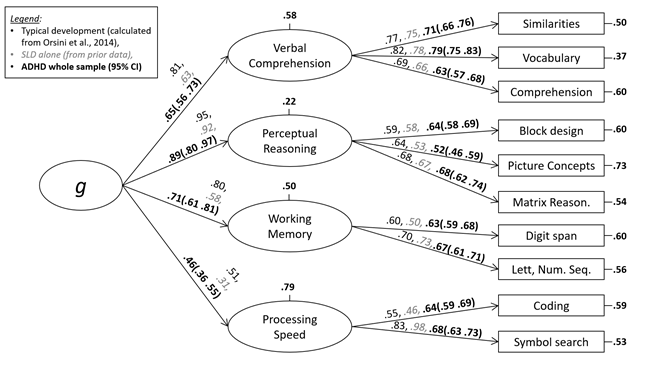
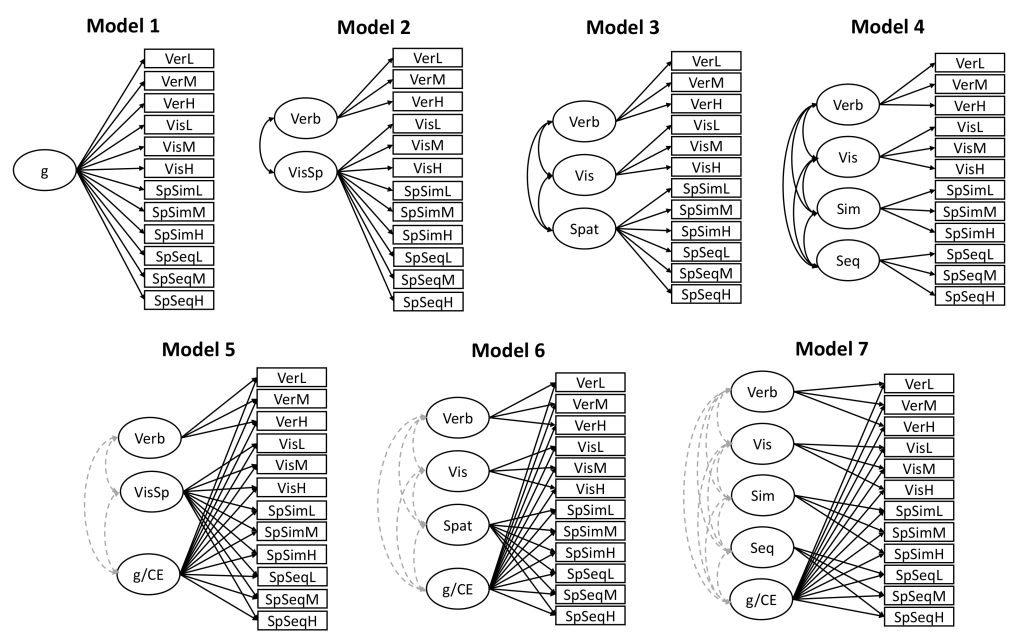
- Structure of intelligence. In the overall population, a single global factor accounts for most variability in cognitive functioning. In neurodevelopmental disorders, however, some specific factors acquire more importance, pointing to a partly different structure of the intellectual abilities. We investigate how intelligence is better described in neurodevelopmental conditions.
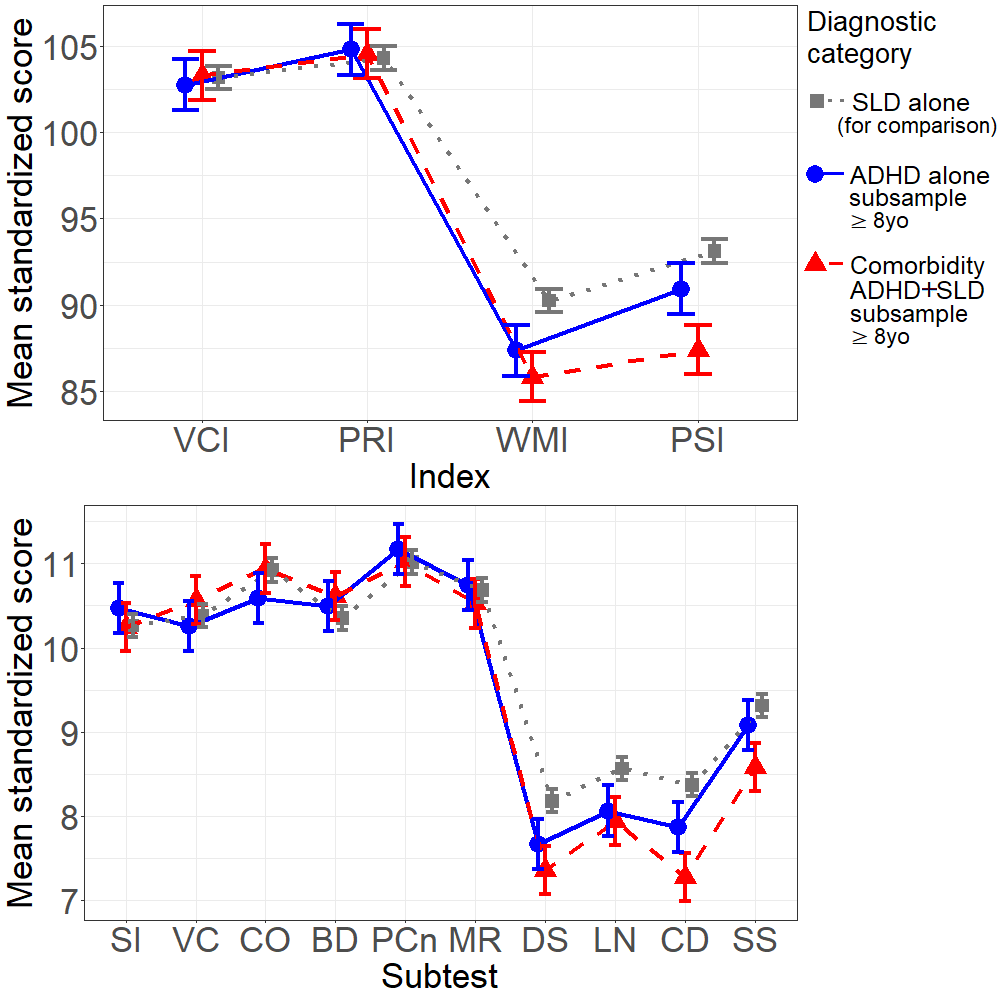
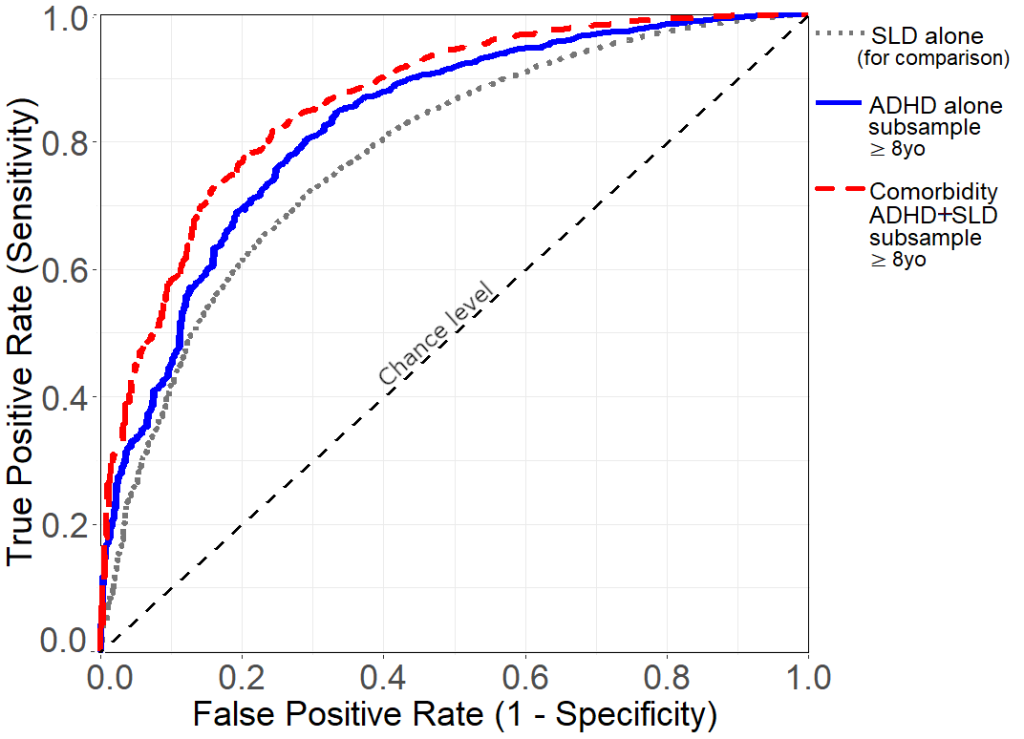
- Intellectual profile and diagnostic significance. Neurodevelopmental disorders frequently present distinctive patterns of strengths and weaknesses, with abilities such as working memory and speed of processing that are specifically impaired, while others are preserved. We investigate the deficits that underlie each neurodevelopmental condition, and whether they present diagnostic significance for the clinicians.
- Neurodevelopmental disorders are often examined as conditions separate from the general population. But are they truly so? We investigate whether these cases, such as reading disorder or mathematical learning disability, can be better described in terms of individual differences, that is as just “tails” of the multivariate distribution of the general population.
Intellectual disability
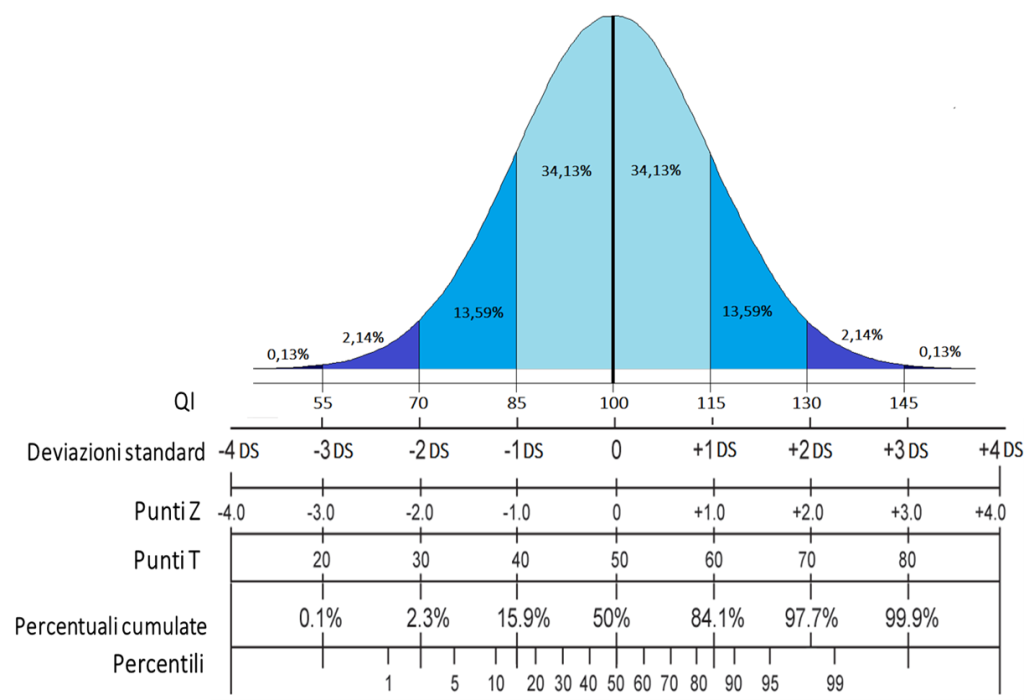
Some individuals present widespread impairment in global intellectual functioning, leading to intellectual disability. Sometimes this is related with syndromic conditions, sometimes it is not.
Main topics:
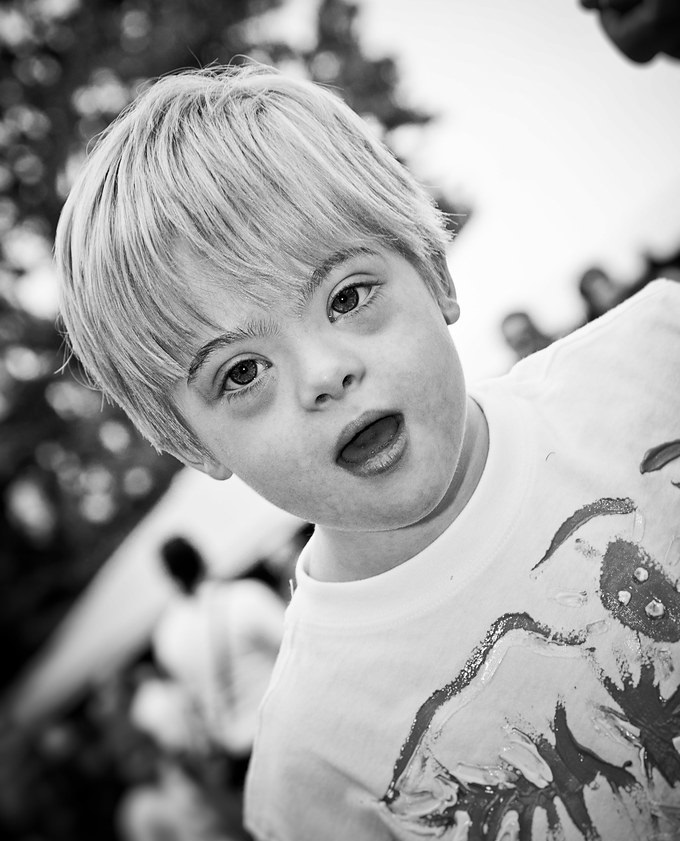
- Down syndrome is the most frequent syndromic cause of intellectual disability. We investigate individual differences, developmental trajectories, working memory, patterns of strengths and weaknesses, but also spatial learning, visuo-spatial and adaptive abilities, in this condition.
- Non-syndromic intellectual disability is also an important area of investigation. Does it represent just an extreme case of the individual differences? How to assess intelligence when the level of functioning lies very far below what is expected from the age-relevant normative data? We examine the structure, profile, and best assessment practices in this condition.
Giftedness
There is much focus on difficulties, but some individuals also thrive! Research suggests that being at the higher end on the intellectual capacity continuum generally brings advantages for the individual, but it is also associated with specific features of cognitive and non-cognitive functioning.
Main topics:
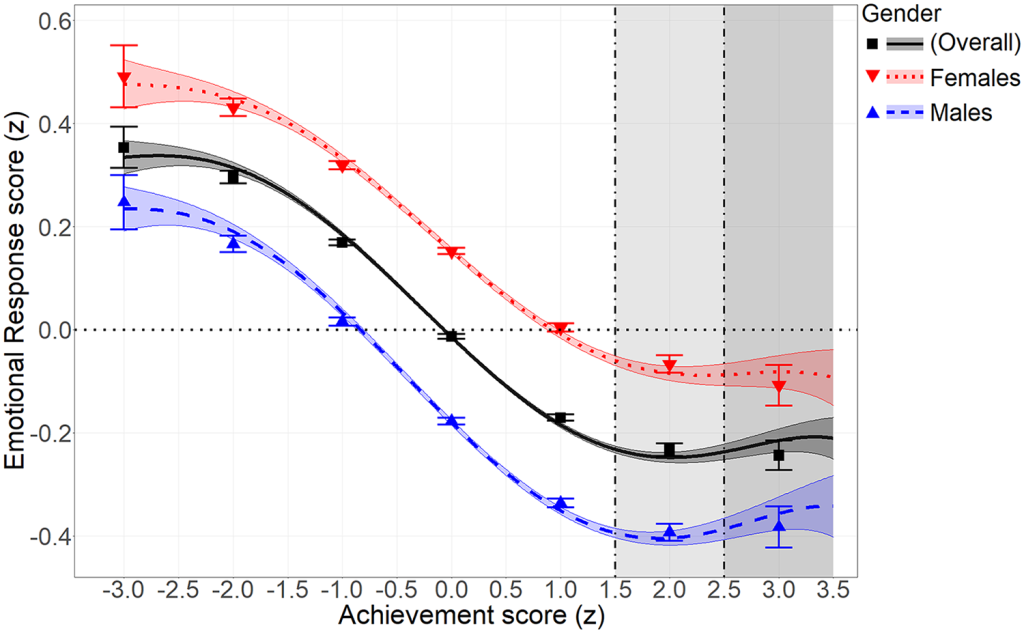
- Emotional response to testing in academically gifted children. Although emotional response to testing is generally better in more competent children, those truly gifted do not seem to optimize this aspect of their functioning.
- Twice-exceptional children. Some children with intellectual giftedness may still struggle with basic aspects of learning, and some even present dyslexia or other learning or neurodevelopmental disorders. These cases are more common than one may think! Unfortunately, in some cases the two conditions may end up masking each other. We investigate the frequency of twice-exceptionalities, and the characteristics and development of their intelligence.

Working memory
The ability to keep active in mind, and simultaneously process, several chunks of information is called working memory. Research has shown that this ability is pivotal for higher cognitive functioning and underpins global intelligence throughout the lifespan.
Main topics:
- How is working memory structured in children? Is it organized hierarchically, mimicking and reflecting the structure of intelligence, or is it better described as a set of different specialized components? We investigate the structure of working memory in typically and atypically developing children as they grow.
Personality and social, emotional, and behavioral skills
Personality-related characteristics include relatively stable patterns in how individuals think, feel, behave, and regulate themselves across situations. Our research focuses on socio-emotional and behavioral skills, their measurement, their development, and their role in educational and psychological outcomes. We are especially interested in how these characteristics can be assessed rigorously and how they may change through experience, education, and targeted interventions.
Structure and measurement of socio-emotional skills
Accurately measuring social, emotional, and behavioral skills is a central challenge for personality and individual-differences research. We investigate how these skills can be assessed in ways that are reliable, valid, developmentally appropriate, and conceptually distinct from broader personality traits.
A major part of this research focuses on the Behavioral, Emotional, and Social Skills Inventory, a framework that assesses multiple skill facets organized into five broad domains: Self-Management, Cooperation, Social Engagement, Emotional Resilience, and Innovation. Our work includes the Italian validation of this framework and the development of refined assessment approaches aimed at improving the distinction between behavioral tendencies and actual capacities.
This line of research addresses questions such as:
- How can social, emotional, and behavioral skills be measured in adolescents and adults?
- Are self-report questionnaires sufficient to assess these skills?
- To what extent can people distinguish what they usually do from what they are capable of doing?
- How strongly are these skills associated with personality traits, academic outcomes, self-efficacy, procrastination, and emotion regulation?
- How can measurement tools be improved to support research, educational practice, and intervention design?
Development and change
Social, emotional, and behavioral skills are not fixed. They develop across the lifespan and may be shaped by experience, education, and intentional efforts to change. Our research investigates how these skills vary across developmental periods, how adolescents and adults think about changing them, and which personal characteristics people consider more feasible or desirable to improve.
This work examines age-related and gender-related differences in social, emotional, and behavioral skills, with particular attention to adolescence. It also investigates beliefs about change among students, parents, teachers, and other professionals. A key question is whether people view skills as more malleable than personality traits, and whether skill-based framing can support motivation for personal development.
This line of research addresses questions such as:
- How do social, emotional, and behavioral skills change during adolescence and adulthood?
- Which skills show growth, stability, or decline across development?
- Do adolescents, parents, teachers, and professionals believe that these skills can be changed?
- Are social, emotional, and behavioral skills perceived as more changeable than personality traits?
- How do people choose their personal change goals?
- Can skill-based approaches inform educational interventions and personal development programs?
Geographical variability
Individual differences do not develop in a vacuum. Psychological characteristics and educational outcomes may vary depending on the social, ecological, and geographical contexts in which people live. Our research adopts a geographical psychology perspective to examine where psychological difficulties are more prevalent, where they are most harmful, and which contextual factors may explain these spatial differences.
A central project in this area is GPS-A, the Geographical Psychology of School Anxiety. This project investigates how school anxiety varies across geographical contexts and why its impact differs across regions. It uses population-level data from Italian fifth-grade students and links these data to geographical and socio-ecological information, including green spaces, climate, pollution, population density, and economic inequality.
This line of research addresses questions such as:
- Does school anxiety vary geographically?
- Are the consequences of school anxiety equally strong across regions?
- Which environmental and socio-economic characteristics help explain local differences in students’ psychological functioning?
- Can geographical data improve theories of educational and personality development?
- Should school-based interventions be adapted to local contexts?
- How can large-scale spatial analyses help policymakers allocate educational and psychological resources more effectively?